The thought leader’s greatest tool: A video library
It’s a no-brainer why thought leaders are creating more video content than ever. Even if you’re late to the party, there’s hope.
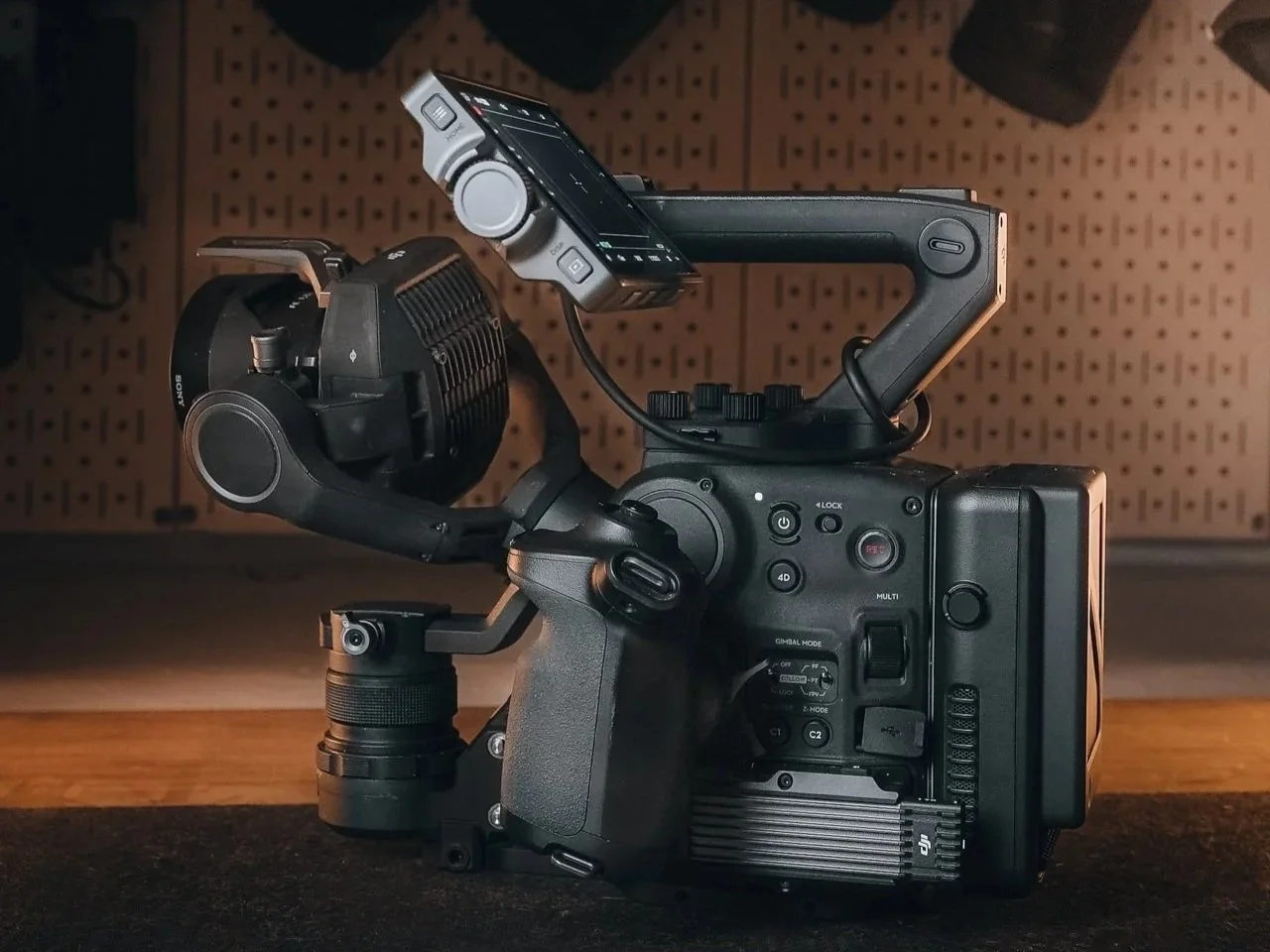
We’ll give you the advantage. All it takes is commitment and a few pieces of gear to stake your position in your industry. Let’s start with commitment.
The video strategy we recommend to Founders, CEOs, writers, speakers, leaders, and thinkers is the same strategy your mentors are using to own their market. We call it The Impact Engine, but the goal is to create enough videos that content creation becomes a digital library. Only a few best sellers can change your career forever.
Why "The Impact Engine"?
When structured correctly, thought leadership videos will generate returns that accelerate over time:
Compounding Interest: Each video builds on the previous one, creating a body of work
Focused Attention: Each insight shared attracts more of the right audience
Top of Mind: Each appearance reinforces authority and recall
Maximum Longevity: Content continues working long after initial distribution
Hence why I call it an engine. When done right, it runs continuously, staking authority, opportunity, and competitive advantage at scale.
The Competitive Moat
Here's why your competitors should be worried when you launch The Impact Engine:
1. You will define the industry
When you consistently articulate the problems, frameworks, and solutions in your space, you shape how the market as a whole thinks about these topics. Competitors must either adopt your framing (strengthening your authority) or fight uphill against established narratives.
2. You compress the trust-building timeline
Prospects who've consumed 6-10 of your videos enter sales conversations with pre-established trust, understanding, and preference. Your competitors are still introducing themselves while you're discussing implementation.
3. You attract rather than chase
Consistent thought leadership creates inbound opportunity (speaking invitations, media requests, partnership inquiries) that your competitors must pursue through cold outreach.
4. You compound while they restart
Each video builds on your existing authority. Your competitors, if they start next month, begin from zero while you're already 20 videos deep with an established audience and momentum.
The 4 Steps to Success
Step One: Claim Your Territory
Before filming, you need to answer one question: What do you want to own?
Not your entire industry. Not your full range of expertise. A specific intersection, where your knowledge is deep, the market need is real, and the competition for mindshare is thinner than it looks.
The founders who build massive authority fastest aren't the ones who cover everything. They're the ones who go deep on one thing until they own it, then expand outward.
Alex Hormozi didn't build a $100M+ audience by talking generally about business. He planted a flag on offer creation and acquisition. Specific territory. Unmistakable voice. Now when people think about scaling a business, his name comes up before almost anyone else.
Your territory doesn't need to be that broad. It just needs to be yours.
Ask yourself: when your ideal client has a problem in your space, what's the specific question you want them to think of you for first? Start there. Own that. Build everything else around it.
Step Two: Structure Your Content (The 30/40/30 Split)
A structured content architecture builds authority. The Impact Engine runs on three content types, roughly in this ratio:
30% Problem Diagnosis: These are the videos where you articulate (better than anyone else) the challenge your audience is facing. This content proves you understand the landscape deeply. It's about demonstrating that you see what others don't.
40% Methodology: This is where you reveal how you think (your frameworks, your principles, your approach to solving the problems you've just diagnosed). This is the content that makes you irreplaceable. Anyone can identify a problem. Your proprietary way of solving it? That's yours alone.
30% Proof of Concept: Examples, case studies, and lessons from real situations are where your framework meets reality. It's the content that moves someone from I trust this person's thinking to I want this person working with me.
That 30/40/30 ratio isn't arbitrary. Skip the first, and you're just another person with opinions. Skip the second, and you're interesting but not differentiated. Skip the third, and you're a theorist not compelling enough to hire.
Step Three: Show Up Before You Feel Ready
This is where most founders stall, and it's the part I want to push back on hardest.
There is no version of this where you feel ready before you start. That feeling doesn't come first. It comes from doing it, reviewing it, doing it again, and noticing that something has shifted. Your thinking is sharper. Your delivery is cleaner. Your audience is responding.
But you have to get to video twenty. Which means you have to make video one.
The founders who built real authority through video share one trait: they committed to a cadence and held it regardless of early performance. Not obsessively. They weren't filming daily and burning out. Most of them started with one substantial video a month. One piece of real thinking, on camera, shared consistently.
That's the minimum viable cadence. One per month. Twelve pieces of genuine insight over a year.
Twelve doesn't sound like much. But twelve videos, each one building on your defined territory, structured around a clear methodology, shared with an audience that grows a little every time — that's a body of work. That's a moat.
Your competitors who are waiting until they feel ready will still be waiting.
Step Four: One Shoot, Many Pieces
Here's where the economics of this get genuinely exciting.
A single, well-structured fifteen-minute video filmed once, in a consistent environment, can generate eight to twelve pieces of distributed content without shooting a single additional frame.
60s LinkedIn cut.
30s hook for Instagram or TikTok.
A key quote pulled and paired with a static graphic.
An audio track repurposed for podcast distribution.
A transcript that becomes a long-form article.
One shoot + one hour of your time = weeks of content working for you while you're running your business.
Most founders think about video as a time cost. The Impact Engine flips that. Video becomes your most efficient content format because every idea you film once gets distributed in a dozen ways, reaching your audience wherever they spend their attention.
Time to Roll!
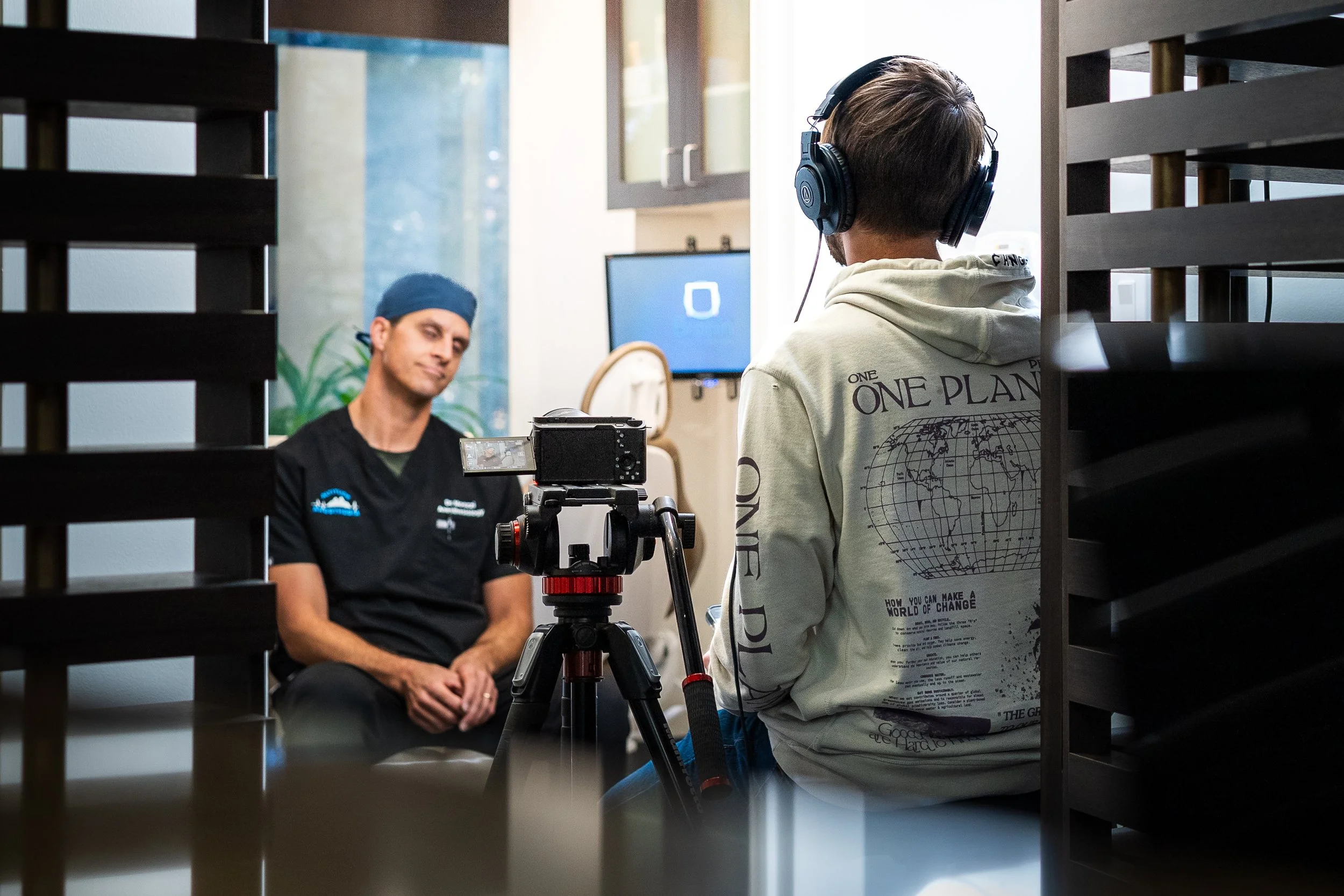
The production setup doesn't need to be complicated. Consistent framing, clean audio, and good lighting are all you need.
Make the bar clear and human, and remember: authenticity reads better than polish. A genuine insight delivered conversationally will outperform a beautifully produced but sterile talking head every single time.